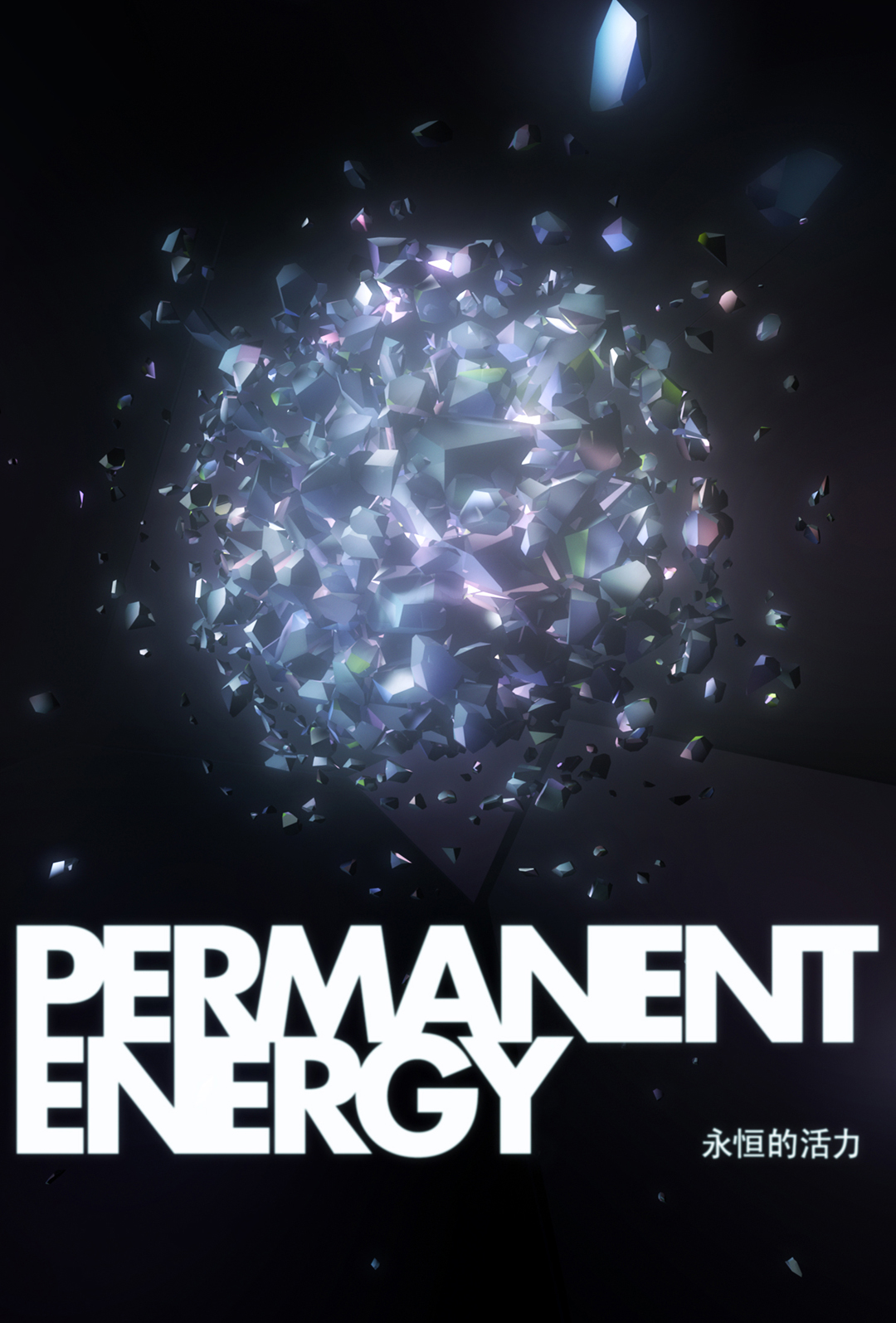
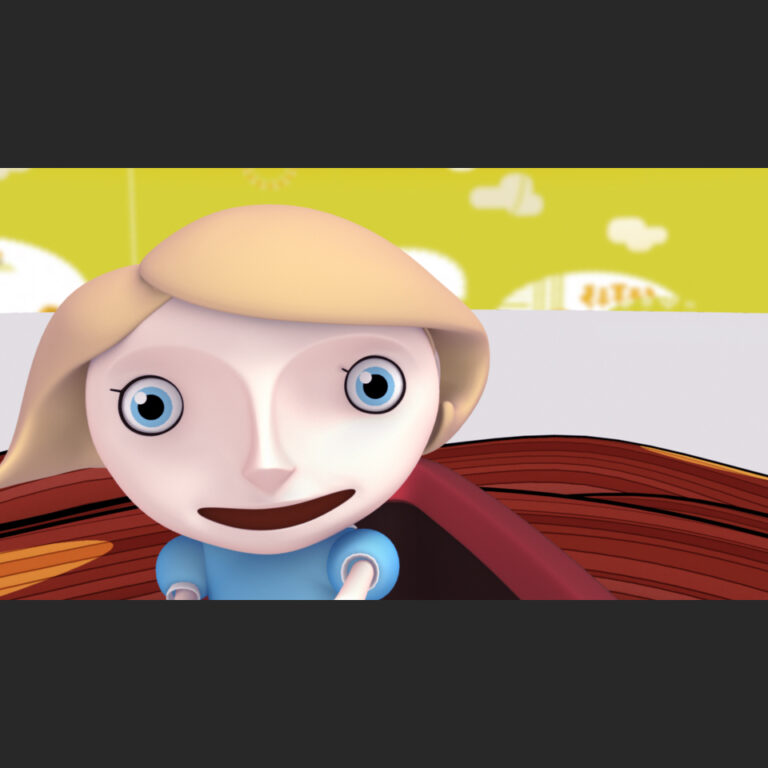
PERMANENT ENERGYは、2008年の北京オリンピックの一環で制作した4分の映像作品。
約60人のアーティストが、スポーツや肉体をテーマに制作をしました。
2008年11月から、上海コンテンポラリー・アート・ミュージアムをはじめ、中国内の7箇所の美術館を巡回展示されました。
東洋的医学や仏教的哲学と、西洋の運動科学を融合させるようなテーマで、昔から温めていた個人的な作品です。
ART IN THE OLYMPIC HOUR By Ante GLIBOTA
展示カタログからの抜粋
オリンピックの開催国であり、又このエキシビジョンの主催国である中国に捧げる為、Adidasのスポンサーの元、数多くのアーティストが中国の気功からインスピレーションを得た作品を創作した。
気功とは人体に宿るエネルギーと宇宙に存在するエネルギーの共存と調和の象徴であり、また人体で継続的に発生するエネルギーの象徴でもある。
これらのアーティストの一人、畠井武雄が作り上げた作品は今回のエキシビジョンで最も美しい作品の一つとなり、とりわけ最も感動的なプロジェクトの一つとなった。
彼の作品はこのエキシビジョン自体を統合していると言っても過言ではない。
それは、彼の深く瞑想的であり傑出したきめ細かさ、また変化に富んだヴィジュアルセンスによるものであり、また一方で畠井武雄はアスリートの肉体に宿る永続的なエネルギーというテーマにこの作品を捧げたからである。
エネルギーに関して言えば、アーティストとスポーツマンの類似性は明白であり、このエキシビジョンに参加した多数のアーティストはエネルギーという存在に影響を受けていることははっきりしている。
畠井武雄は、アスリートの肉体に宿るエネルギーには始まりもなく終わりもないと主張する。
「エネルギーは宇宙の誕生と同時に生まれ、星のかけらから出来た人へと帰着する」とも。
芸術作品はそれを見る人の心の中で生きてこそ、生命力を持つと言い換えられるだろう。
見る人は、その芸術作品がその人自身から発せられる同様のエネルギーによって活力を得ていると感じる限り、自分と作品の間の強いつながりを感じずにはいられない。
その場合、このエキシビジョンとそこで展示される芸術作品は可能な限り生命を持ち続け、多様性そして豊かさ、また世界そのものの真の複雑性を証明し続けるのであろう。
Historian of Art and Architecture, Titular Member of the European Academy of
Sciences, Arts and Humanities
Ante Glibota
« PERMANENT ENERGY » est une œuvre vidéo de 4 minutes réalisée dans le cadre des Jeux Olympiques de Pékin en 2008.
Environ 60 artistes ont créé des œuvres autour des thèmes du sport et du corps humain. À partir de novembre 2008, cette création a fait l’objet d’une exposition itinérante dans sept musées en Chine, notamment au Power Station of Art (Musée d’art contemporain de Shanghai).
Mêlant médecine orientale, philosophie bouddhiste et science du sport occidentale, il s’agit d’un projet personnel très cher à mon cœur, que je mûrissais depuis de nombreuses années.
L’ART À L’HEURE OLYMPIQUE par Ante GLIBOTA
Extrait du catalogue de l’exposition
En hommage à la Chine, pays hôte des Jeux olympiques et de cette exposition parrainée par adidas, de très nombreux artistes ont créé des œuvres faisant référence au Qi Gong chinois, symbole de la symbiose et de l’harmonie entre l’énergie universelle et l’énergie humaine, mais aussi symbole de la pérennité de l’énergie au sein du corps humain.
L’un de ces artistes, le Japonais Takéo Hatai, a réalisé l’un des projets les plus beaux, ou en tout cas l’un des plus émouvants de cette exposition.
En effet, nous pourrions décrire son travail comme une sorte de synthèse de l’exposition elle-même : d’une part en raison de sa sensibilité visuelle à la fois sobre, méticuleuse, diversifiée, inspirée et profondément méditative ; d’autre part parce que l’artiste a consacré son œuvre à la question de la permanence de l’énergie dans le corps de l’athlète.
En matière d’énergie, le parallèle entre l’artiste et le sportif est si évident que de nombreux artistes présentés dans cette exposition s’en sont spécifiquement inspirés.
L’artiste soutient que l’énergie dans le corps des athlètes n’a ni commencement ni fin.
L’énergie est apparue lors de la naissance de l’univers, avant de revenir sous la forme d’une dérivée de poussière d’étoiles appelée « être humain ».
Une façon de dire qu’une œuvre d’art n’est vivante que si elle vit dans l’esprit de ceux qui la regardent.
En tout état de cause, tant que le spectateur ressent que l’œuvre est nourrie par ces mêmes énergies qui agissent également sur lui et sur son corps physique, il éprouve nécessairement un lien puissant entre lui-même et l’œuvre.
Dans ce cas, l’exposition et les œuvres d’art qui y sont présentées perdureront aussi longtemps que possible, tout en témoignant de manière égale de la diversité, de la richesse, ainsi que de la véritable complexité du monde lui-même.
Ante Glibota
Historien de l’art et de l’architecture,
Membre titulaire de l’Académie Européenne des Sciences, des Arts et des Lettres
“PERMANENT ENERGY” is a 4-minute video work created in connection with the 2008 Beijing Olympics.
Around 60 artists produced works centered on the themes of sports and the human body. Starting in November 2008, it was featured in a traveling exhibition across seven museums in China, including the Power Station of Art (Shanghai Museum of Contemporary Art).
Combining Eastern medicine, Buddhist philosophy, and Western sports science, this is a deeply personal work that I had been nurturing for many years.
ART IN THE OLYMPIC HOUR By Ante GLIBOTA
Excerpt from the exhibition catalog
As a tribute to China, the host country of the Olympic Games and of this exhibition, sponsored by adidas, a great many artists have created works with references to the Chinese Qi Gong, symbolic of the symbiosis and harmony between universal energy and human énergy, but also a symbol of the continuation of energy in the human body.
One of these artists, the Japanese Takéo Hatai has made one of the most beautiful, or in any case, one of the most moving projects for the current exhibition.
Indeed we could describe his work as a kind of synthesis of the exhibition itself, on the one hand because of his visual sense that is spare, meticulous, diversified, inspired and deeply meditative, and on the other hand because the artist has devoted her work to the question of the permanency of energy in the athlete’s body.
In terms of energy, the parallel between the artist and the sportsman is so obvious that many artists in the show were specifically inspired by it.
The artist maintains that energy in athletes’ bodies has neither beginning nor end.
Energy came into existence at the birth of the universe and returned as a derivation of stardust called “human being”.
A way of saying that a work of art is only alive if it lives in the minds of those who look at it.
In any case, as long as the viewer feels that the artwork is fuelled by the same energies that also work on him and on his physical body, he necessarily feels a strong link between both himself and the work.
In such a case, the exhibition and the works of art shown there will last for as long as possible, all the while testifying equally to the diversity and richness, as well as to the genuine complexity, of the world itself.
Ante Glibota
Historian of Art and Architecture, Titular Member of the European Academy of
Sciences, Arts and Humanities
Exhibition Schedules
Shanghai: Museum of Contemporary Art MoCA Nov 3 – Dec 2, 2007
Guangzhou: Museum of Guangzhou Art Academy Dec. 15 – Jan 13, 2008
Nanjing: RCM Gallery Feb. 22 – March 23, 2008 (after Chinese New Year)
Shenyang: Museum of Lu Xun Art Academy April 12 – May 11, 2008
Chengdu: Sichuan Fine Arts Museum May 24 – June 22, 2008.
Beijing: Today Art Museum July 19 – August 26, 2008
*Olympic Summer Games end August 24 2008
Hongkong: N.N. September – October 2008
Sound Design: Junichi Oguro